Signal
120Shresht Setty
Verified with LinkedIn. A real person owns this profile. Request to connect to talk in person, or chat with their second brain.Leads GTM and growth for AI‑native testing platform, scaling market expansion.
Bengaluru, Karnataka, India · Founder’s Office, LitmusCheck · Middle office, Morgan Stanley · Founder, SihiCo coffee venture
Shresht's brain
Updated 16 days agolinked topicsbigger dot = more linkscolour = topics that link together
Talk to Shresht about
Shresht Setty @shresht-setty · Oct 6
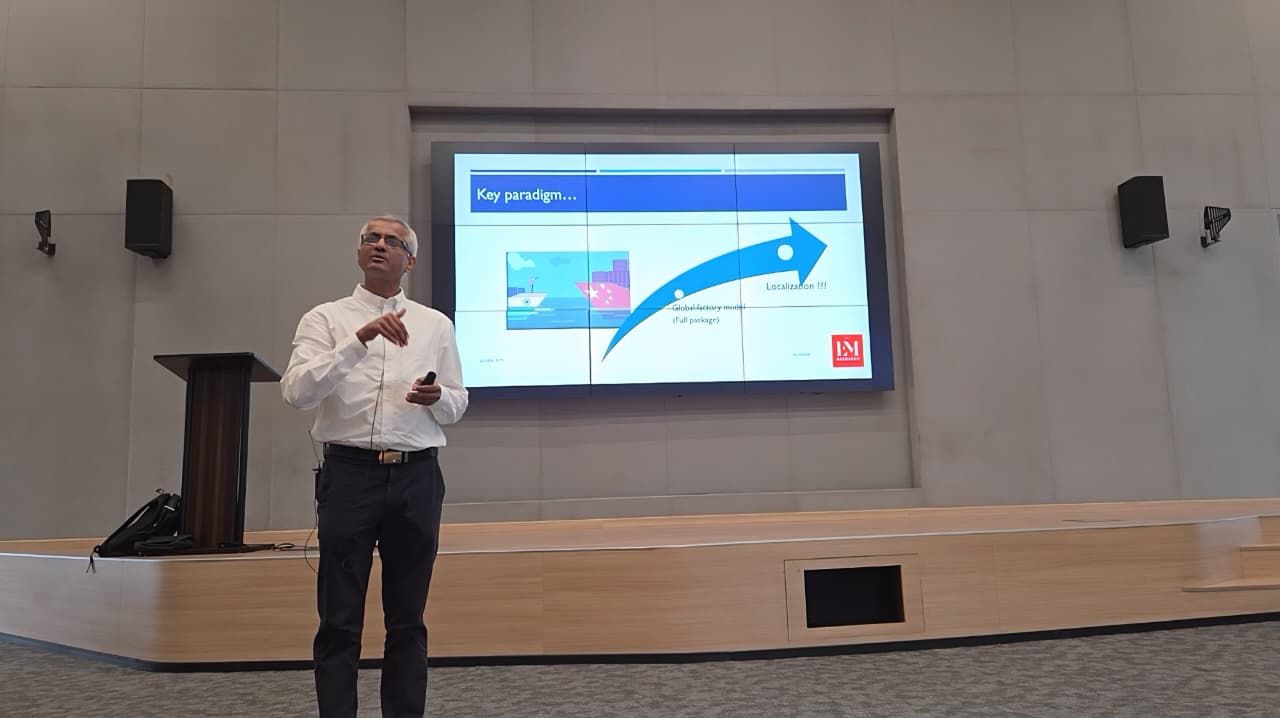
Today's special lecture reminded me of a scene from the F1 movie, where Brad Pitt wears an indigo-dyed shirt made using a centuries-old Indian craft. What made it even more interesting? The shirt from Indian slow-fashion label 11.11/eleven eleven features an NFC tag that lets you trace the story behind the garment. And suddenly, today's session on supply chains made a lot more sense. We had a fascinating session with Dr. V G Venkatesh, CSCP, Professor of Supply Chain Management and Logistics at EM Normandie Business School. We spoke about everything from demand forecasting and production to logistics, cost, quality, flexibility and sustainability. But the idea that stayed with me was Digital Product Passports. Imagine scanning a QR code on a piece of clothing and understanding where its material came from, how it was produced and information about its journey through the supply chain. Suddenly, sustainability isn't just something a brand claims. It becomes something the customer can actually see and verify. And that changed how I think about product quality. Its not just: How good is the product? Its also: How was it made? What materials went into it? How was it produced? How sustainable was the process? We also discussed how different products and SKUs can require different supply-chain decisions. Something I'll definitely keep in mind when building products of my own. Because the customer may only see the final product. But behind it is an entire system of decisions that determines its cost, quality, flexibility and sustainability. Really enjoyed the session with Dr. V G Venkatesh, CSCP. A good reminder that sometimes the biggest part of a product is the part the customer never sees. #SupplyChain #Sustainability #ProductManagement #Operations #LearningInPublic #MastersUnionShresht Setty @shresht-setty · Oct 1
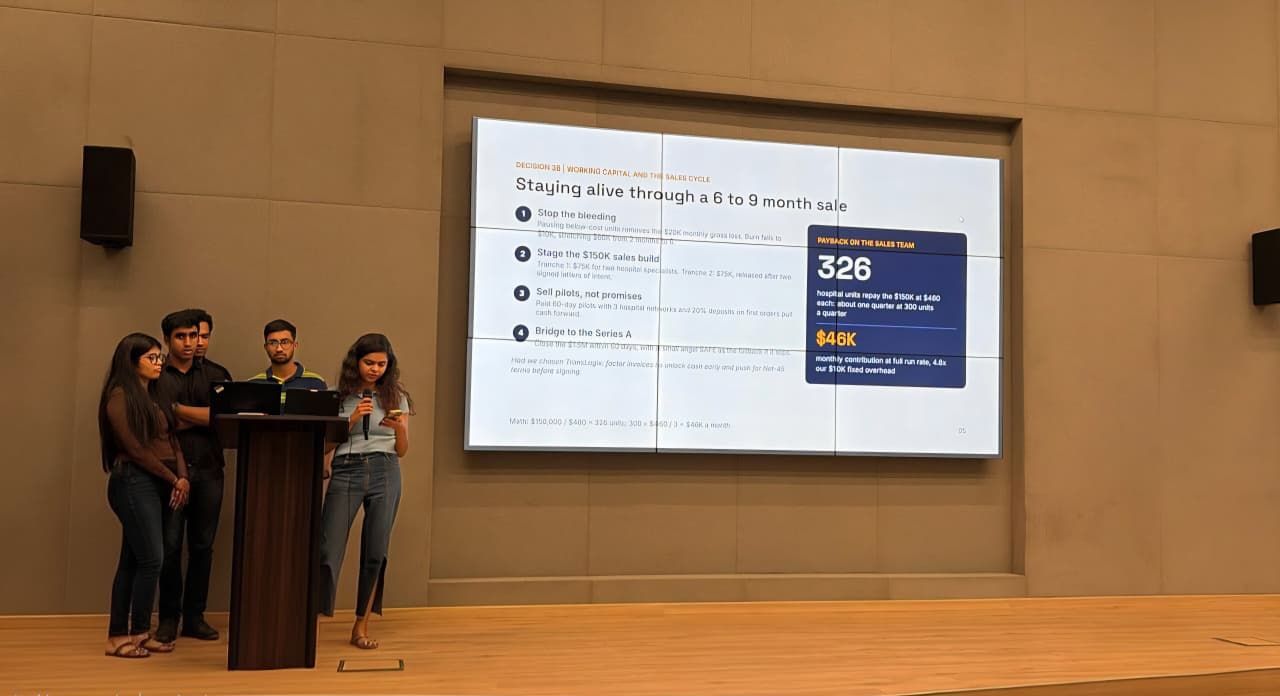
We almost didnt make it to the stage. Not because we didnt want to. We just didnt have enough time. We were participating in a FOCOS Club case competition where we had to solve a founder dilemma around equity and partner conflicts including whether to retain the stake and whether we should take it up ourselves. Our submission overlapped with another deadline. We were between classes, hadn't had the chance to sit together, and had barely any time left. So we divided the work. Pranjal Jain took on a huge part of the heavy lifting. The rest of us worked on different pieces. Minutes before going on stage, we finally came together. Solution. Presentation flow. Done. And somehow, we won. 🏆 The biggest takeaway for me wasn't the case. Sometimes, you simply don't have enough time to do everything yourself. That's when you need to trust your team, divide the problem, and make the most of what you have. Grateful to the team Prateek Kabra Ankush Daga ACCA Soumya Khandelwal, and FOCOS Club for this one. And to Jayant Mundhra, Yash Goyal, Apoorv Singhal, Roshan M Mathew and Pulin Goyal for judging us. We almost didn't make it to the stage. We came out with a win. #CaseCompetition #Teamwork #Delegation #Leadership #MastersUnionShresht Setty @shresht-setty · Sep 28
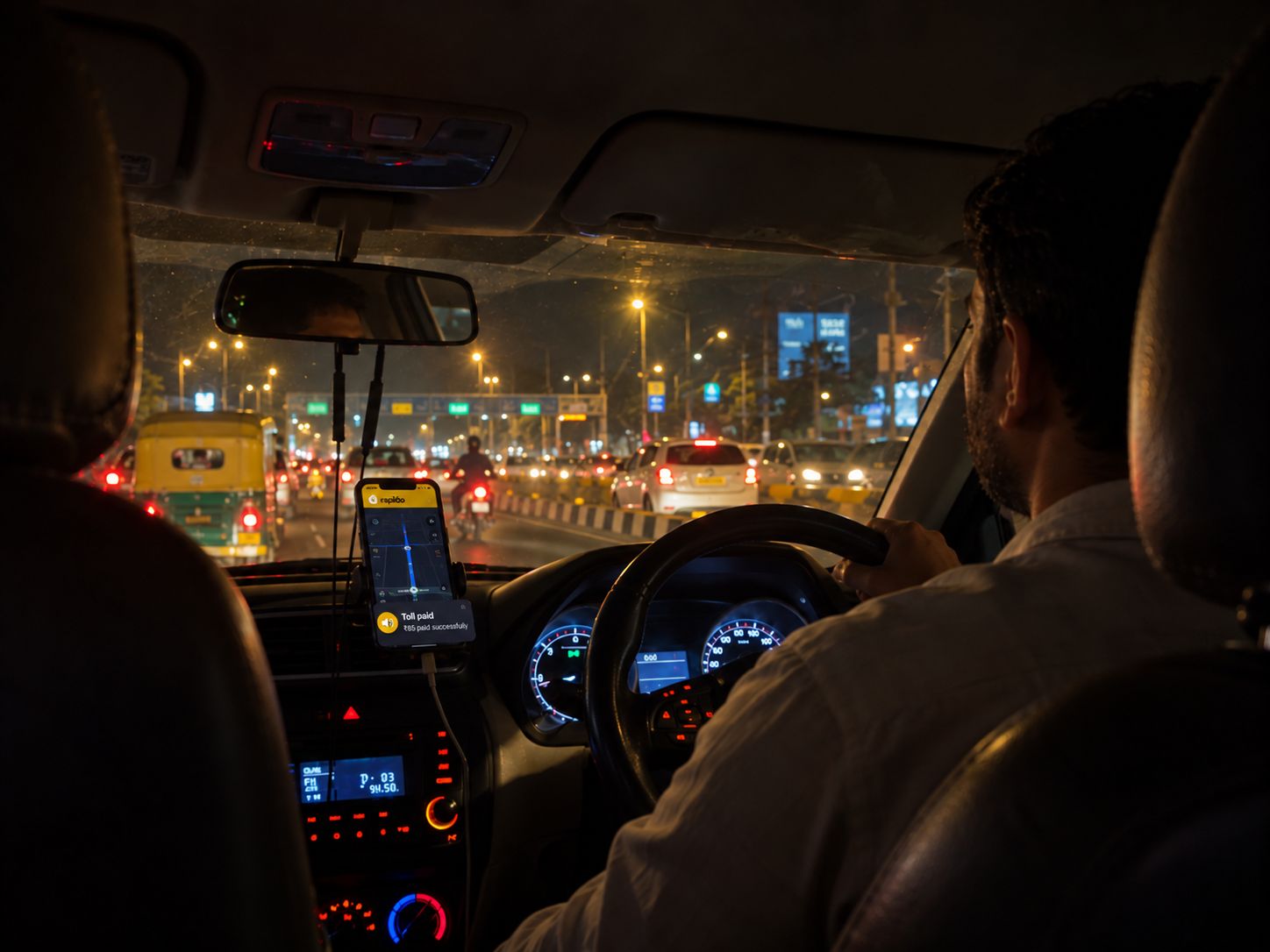
My Rapido driver taught me more about product management than a 2-hour lecture could. It was 11:30 PM. I was heading to a badminton match and started having a casual conversation with my driver. He's been driving for 20 odd years and even owns two cabs that run with Accenture. That's when I asked him: “Why Rapido?” His answer surprised me. He spoke about the small things that make his work easier. The money he earns can be withdrawn from his Rapido wallet when he needs it. He gets clear ride details and smart alerts when he accepts a ride. And when a toll has already been paid, the voice tells both the driver and passenger. No confusion. No awkward conversation. No double payments. Then came my favourite part. He pointed to the voice and said: “Woh ladki jo baat karti hai na, woh AI hai.” I laughed. Here I was, thinking about AI adoption in startups and product teams. And my Rapido driver was casually explaining an AI feature to me. That's when I realised: Technology adoption doesn't always look like a tech enthusiast using the latest tool. Sometimes, it's simply a driver using a feature because it makes his everyday work easier. And that's probably the biggest product lesson I took from that ride. We spend hours looking at dashboards, running experiments and debating what feature to build next. But the customer using your product every day? They might already know what needs fixing. Talk to them. Ask what frustrates them. Ask what they love. Ask why they choose your product. Because your customer sees things your dashboard can't. And sometimes, the best product research happens at 11:30 PM in the back of a Rapido. #ProductManagement #CustomerResearch #ProductThinking #UserExperience #AI #LearningInPublic #MastersUnion